Vietnam’s location is one of the key factors to consider before starting your journey. Keep reading to ensure you’re well-prepared!
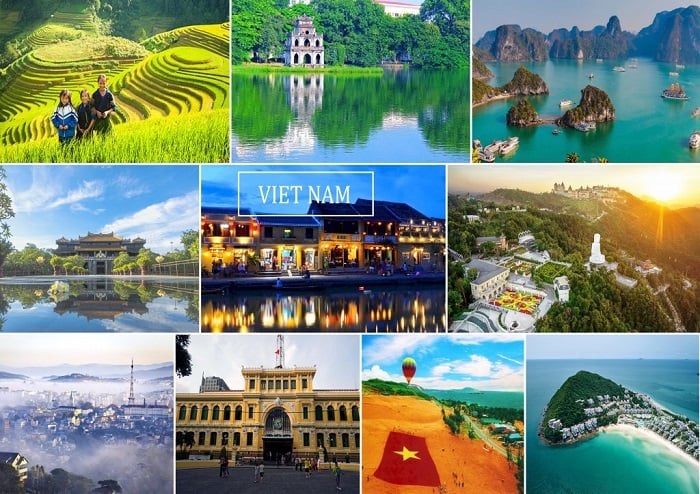
Welcoming countless tourists each year, Vietnam has become one of Asia’s top travel destinations. To ensure a flawless journey, it’s essential to understand Vietnam’s location and basic travel information. Where is Vietnam located? What are the main geographical features of this country? All will be revealed below.
1. Vietnam’s Location in Asia and Some Interesting Facts
1.1. Location of Vietnam
Situated on the Indochina Peninsula in Southeast Asia, the Socialist Republic of Vietnam shares its borders with China to the north, Laos and Cambodia to the west. To the east lies the South China Sea (also known as the East Sea), and to the south is the Gulf of Thailand.
In terms of its size on the world map, Vietnam is the 66th largest country globally, covering 310,070 square kilometers of land and 21,140 square kilometers of water. Vietnam boasts a coastline stretching 3,444 kilometers.
1.2. Population and Ethnicity
As of 2022, Vietnam has a population of over 98 million people. The country is home to 54 ethnic groups, with the Kinh people making up the majority of the population.
1.3. Religion
Although Vietnam does not have an official religion, most of the population adheres to the “Three Teachings” of Confucianism, Buddhism, and Taoism. Ancestor worship is a common practice among Vietnamese people. About 10% of the population follows other religions, including Christianity, Buddhism, Hinduism, and Islam.
1.4. Vietnamese Language
Vietnamese is the national language spoken by the vast majority of the population. Approximately 30% of Vietnamese vocabulary is borrowed from Chinese. The writing system initially used a modified set of Chinese characters, known as “chu Nom,” developed by the Vietnamese. Since the French colonial period, a Latin alphabet with additional diacritics for tones and certain letters has been in use.
1.5. Economy
In 1986, Vietnam transitioned from a centrally planned economy to a market-oriented one. Although agriculture accounts for only 18% of the country’s GDP, it employs 43% of the workforce. The service sector has seen rapid growth, drawing significant investment in tourism and hospitality. Vietnam’s main export products include seafood, rice, crude oil, textiles, and coffee.
1.6. Fun Facts About Vietnam’s Location
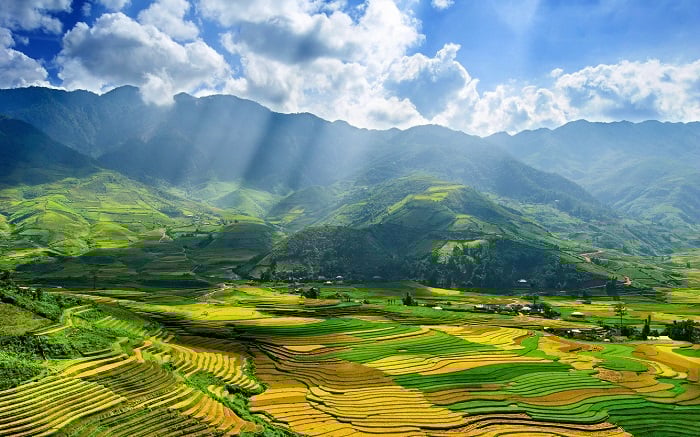
- Vietnam is an S-shaped country. When you look at Vietnam on the map, you’ll easily notice that its shape resembles the letter “S.”
- It is a country of rivers. Vietnam is home to 393 rivers, which are spread across the entire country.
- Motorbikes are the locals’ favorite mode of transport. You’ll find motorbikes almost everywhere in Vietnam, as they are the preferred vehicle for many.
- It boasts thousands of islands. Vietnam’s coastal area is dotted with over 5,000 islands and islets.
2. The Unique Geographical Features of Vietnam
Next, let’s explore the distinct characteristics of Vietnam’s geographical location. Understanding these features is crucial for first-time visitors to plan the best possible trip.
2.1. Vietnam’s Topography
Vietnam’s terrain is incredibly diverse, featuring mountains, plains, coastlines, and continental shelves. Approximately three-quarters of the country is covered by mountains and hills, with the terrain gradually descending from the northwest to the southeast.
The northeastern and northwestern regions of Vietnam are predominantly mountainous. In the northwest, you’ll find Vietnam’s highest peak, Fansipan, also known as the “Roof of Indochina.” The Red River Delta, located in the central part of the Northern region, is one of the country’s two largest plains.
The terrain in Central Vietnam varies significantly from west to east. To the west, you’ll find the Truong Son Mountain Range and the Central Highlands, while the east is characterized by small plains along the coastline.
Southern Vietnam has the simplest topography, with most of the region consisting of plains. The Mekong Delta, covering approximately 40,000 square kilometers, is the largest delta in Vietnam and the country’s main rice-cultivation area.
2.2. Vietnam’s Coastline
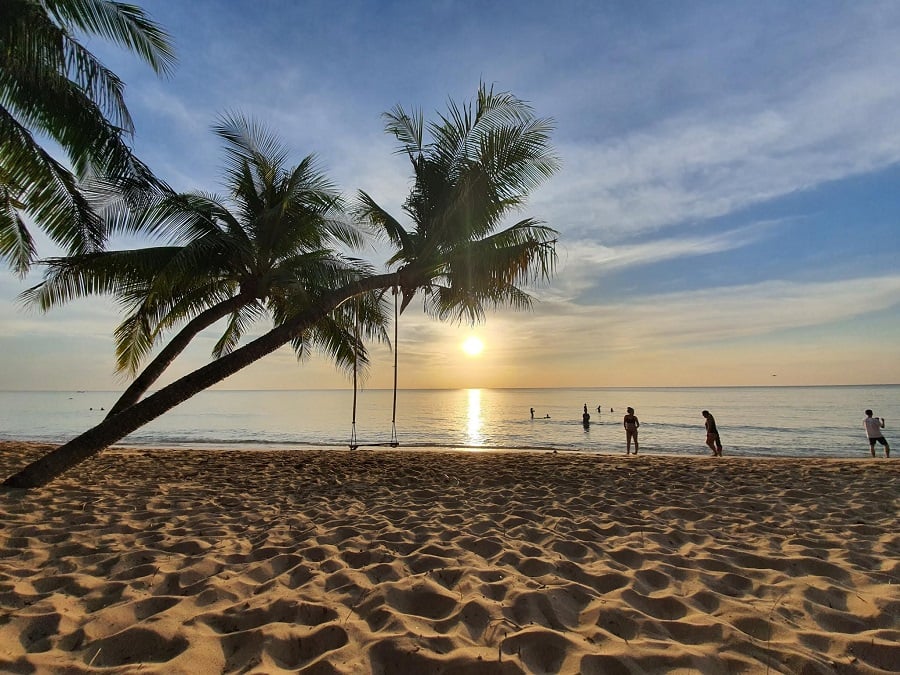
Another notable feature of Vietnam’s location is its extensive coastline, which stretches for 3,444 kilometers. The coastline faces the South China Sea to the east and the Gulf of Thailand to the south and southwest. Vietnam’s waters are also home to thousands of islands and islets, with Halong Bay being a standout. Halong Bay, featuring over 1,000 limestone islands and islets, has been recognized as one of the world’s new Seven Wonders of Nature.
Moreover, Vietnam’s coastline is dotted with stunning beaches. Many of these beaches, such as those in Nha Trang, Phu Quoc, Lang Co, and My Khe, have been listed among the world’s best beaches and bays.
2.3. Climate in Vietnam
Due to its geographical location, Vietnam experiences a variety of weather zones. Overall, the country has a tropical monsoon climate, characterized by monsoon rains, warm temperatures averaging between 24 and 34 degrees Celsius, and high humidity throughout the year.
Vietnam’s climate can generally be divided into two main seasons: the rainy season, which lasts from April to September, and the dry season, from October to March. Determining the best time to visit Vietnam is difficult, as each season offers its own unique charms.
3. The 3 Major Cities in Vietnam You May Not Know About
Another important aspect of Vietnam’s location is its regional division. The country is generally divided into three regions: Northern, Central, and Southern Vietnam. The three major cities in these regions are Hanoi, Da Nang, and Ho Chi Minh City, respectively. Each city serves as the political and economic hub of its region.
3.1. Hanoi in the Northern Region
Hanoi, the capital city of Vietnam, is located in the Red River Delta. It is one of the country’s top tourist destinations, known for its rich cultural heritage and beautiful natural landscapes.
With its four distinct seasons, Hanoi offers an irresistible charm. The weather is humid and hot in the summer, while winter brings a noticeable chill. Each season presents a unique travel experience.
As the thousand-year-old capital of Vietnam, Hanoi preserves both tangible and intangible cultural values of the nation, which boasts a long and storied history. The Imperial Citadel of Thang Long, once the social and political center of Vietnam during the Ly, Le, and Tran Dynasties, still stands proudly. Nearby, you can visit the mausoleum of Ho Chi Minh, the revered leader of the country.
Hanoi is home to many other must-see attractions, including the Old Quarter, Hoan Kiem Lake, the Temple of Literature, West Lake, and Ba Vi National Park. The Old Quarter, in particular, is a culinary haven that will leave you amazed by Hanoi’s cuisine.
3.2. Da Nang in the Central Region
Da Nang is renowned for its vibrant atmosphere and stunning natural beauty. With a tropical monsoon climate and an average annual temperature of 25 degrees Celsius, Da Nang is a tropical paradise for beach lovers.
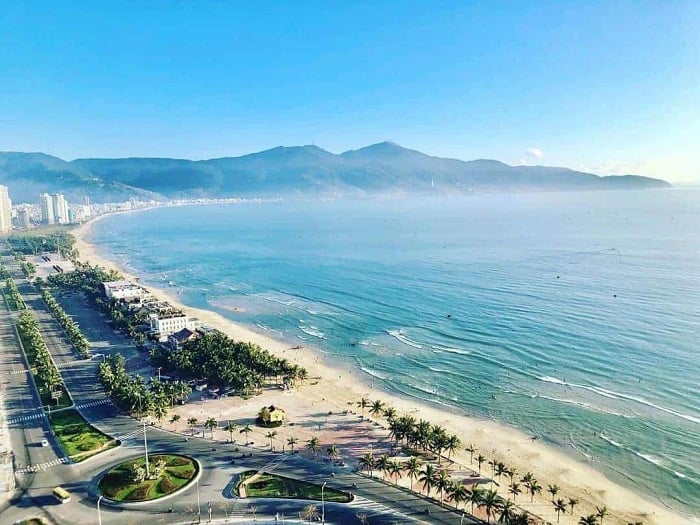
Many of Da Nang’s beaches, such as Non Nuoc and My Khe, are famous for their breathtaking seascapes, crystal-clear waters, and soft sandy shores. These beaches are perfect for a relaxing summer getaway.
Additionally, Da Nang offers a variety of delicious food and drinks at very reasonable prices. The city is known for its light and safe traffic, making it easy to explore. Da Nang also boasts a range of excellent accommodations, including luxurious resorts with international-standard villas.
3.3. Ho Chi Minh City in the Southern Region
Ho Chi Minh City, Vietnam’s largest metropolis, is the heart of Southern Vietnam. Also known as Saigon, the city was once the economic and entertainment center of Indochina. After the Second Indochina War in the 20th century, it was renamed in honor of Vietnam’s great leader, President Ho Chi Minh.
Ho Chi Minh City is top destination in Vietnam for cultural and historical tours. The city’s architecture and lifestyle are influenced by American and Chinese cultures, blending modern elements with traditional ones.
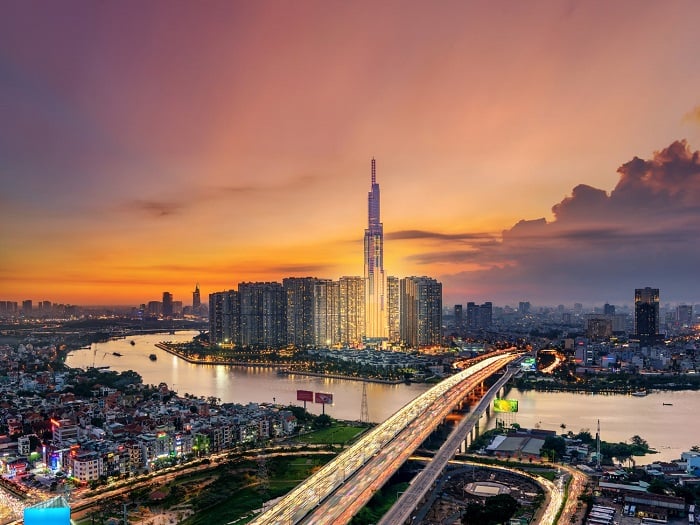
The Independence Palace, a symbol of Vietnam’s reunification in 1975 and the end of the war, is a must-visit site. Other notable historical landmarks include the Cu Chi Tunnels, Dragon Wharf, and Notre-Dame Cathedral, all of which offer fascinating insights into the city’s rich history.
4. Things to Know for a Perfect Trip to Vietnam for Backpackers
To create a well-rounded travel plan, it’s essential to consider more than just Vietnam’s location. Here are some other crucial pieces of information that will help ensure a seamless trip.
4.1. Public Holidays and Tourist Seasons in Vietnam
Vietnam boasts a rich culture and history, leading to numerous festivals and cultural events happening year-round across the country.
4.1.1. Public Holidays in Vietnam
Vietnam has eight major public holidays throughout the year, during which locals have time off work:
- New Year’s Day: January 1st, also recognized as an international public holiday.
- Tet Holiday (Vietnamese Lunar New Year): Celebrated during the first days of the lunar year.
- Hung King Commemoration Day: Celebrated on the 10th day of the 3rd month in the lunar calendar.
- National Reunification Day: April 30th.
- Labor Day: May 1st.
- National Day: September 2nd.
In addition to the national holidays mentioned earlier, Vietnam hosts many other significant festivals and events throughout the year. Along with Tet Holiday, Vu Lan Festival (on the full moon day of the 7th lunar month) and the Mid-Autumn Festival (on the full moon of the 8th lunar month) are among the three largest cultural events celebrated nationwide.
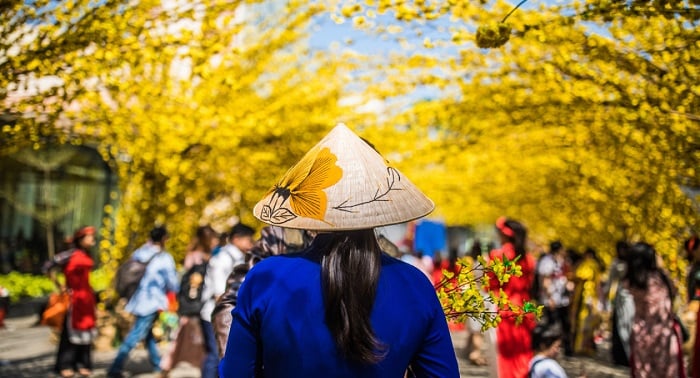
Each province also has its own cultural and historical celebrations, making Vietnam an enticing destination for culture enthusiasts. Some notable events you should not miss during your trip include the Perfume Pagoda Festival in Hanoi, Hue Festival in Hue, Lim Festival in Bac Ninh, and the Lantern Festival in Hoi An, among others.
4.1.2. Tourist Seasons in Vietnam
There is no best ideal time to travel to Vietnam. Due to the country’s diverse geography and climate, each region and season offers its own unique attractions. As previously mentioned, Vietnam’s weather is primarily divided into two seasons: the dry season and the rainy season. Generally, the dry season is more favorable for travelers, offering sunny skies and breathtaking landscapes.
- Northern Vietnam (Hanoi, Halong Bay, Sapa, Ha Giang, Ninh Binh, etc.) experiences the most rainfall between June and September.
- Central Vietnam (Hue, Da Nang, Hoi An) sees heavy rains during the winter months of October and November.
- Southern Vietnam (Ho Chi Minh City, Can Tho, Phu Quoc) also has its heaviest rainfall from June to September.
4.2. Vietnamese Money and Currency Exchange
The official currency in Vietnam is the Vietnamese Dong (abbreviated as VND, dong, or simply “d”). The commonly used banknotes include denominations of 1,000 VND; 2,000 VND; 5,000 VND; 10,000 VND; 20,000 VND; 50,000 VND; 100,000 VND; 200,000 VND; and 500,000 VND.
The US Dollar (USD) is widely accepted in major hotels and restaurants. However, when traveling to less-known areas or purchasing food and items from local vendors and stalls, it’s better to use the Vietnamese Dong (VND).
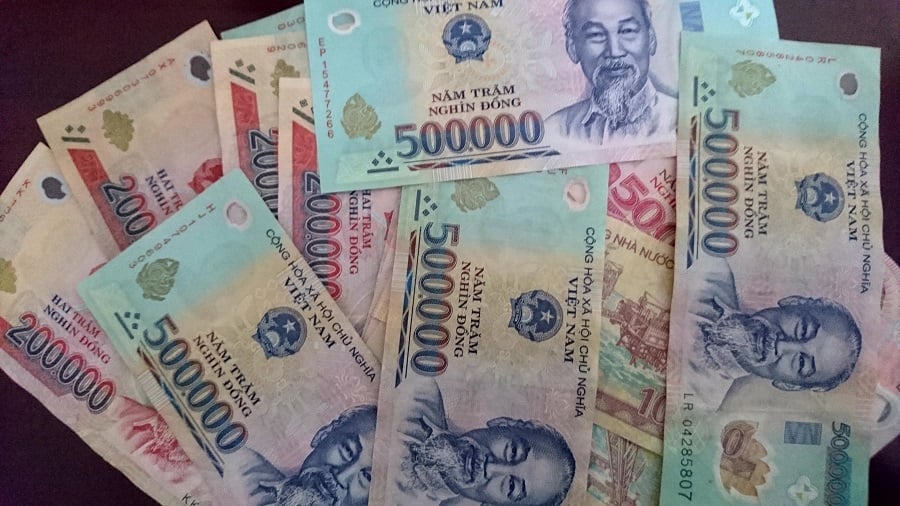
Many local businesses, especially street vendors, only accept the dong. You can exchange money for VND at airports, banks, and hotels across the country. Credit cards are generally accepted in hotels in major cities, but visitors are advised to carry small amounts of cash for convenience.
4.3. Top Vietnam Destinations You Must Visit
Vietnam’s location has endowed the country with stunning natural landscapes, while its 4,000 years of history have enriched its cultural heritage. There are numerous beautiful tourist attractions from the North to the South that are worth exploring.
Which part of Vietnam is best to visit? Below are some of the must-see locations in Vietnam that travelers should not miss during their trip.
4.3.1. Halong Bay
Halong Bay is a must-see destination in Northern Vietnam. This UNESCO World Natural Heritage site spans 1,500 square kilometers and is home to thousands of limestone islets. Halong Bay boasts a breathtaking seascape, with emerald waters and a mesmerizing cluster of limestone karsts.
Voted as one of the New Seven Wonders of Nature, Halong Bay is an essential stop on any Northern Vietnam’s location itinerary. Visitors can take an overnight cruise to marvel at the stunning seascape or engage in exciting activities like exploring karst caves, kayaking, and enjoying a sunset party on the cruise.
4.3.2. SapaLocated in a mountainous region, Sapa is the ideal destination for adventurous travelers in Northern Vietnam’s location. The area is renowned for its stunning natural landscapes, featuring dense forests and vibrant rice terraces that captivate visitors.
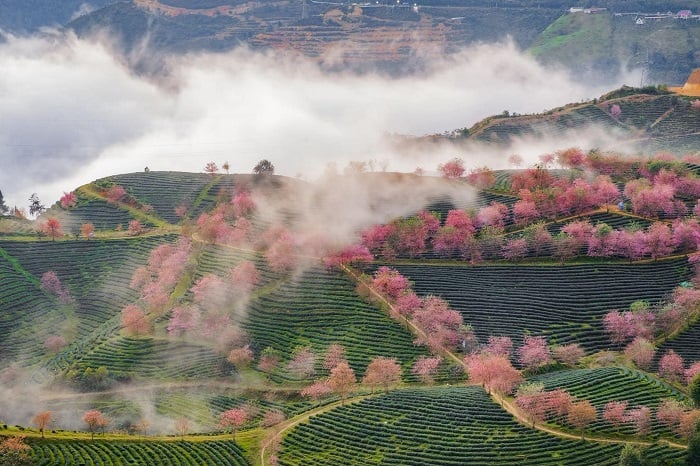
Sapa is also home to several ethnic minorities, including the H’Mong, Tay, Dao, and Thai people. By visiting their villages, travelers can not only take in the breathtaking scenery but also immerse themselves in the local culture and way of life.
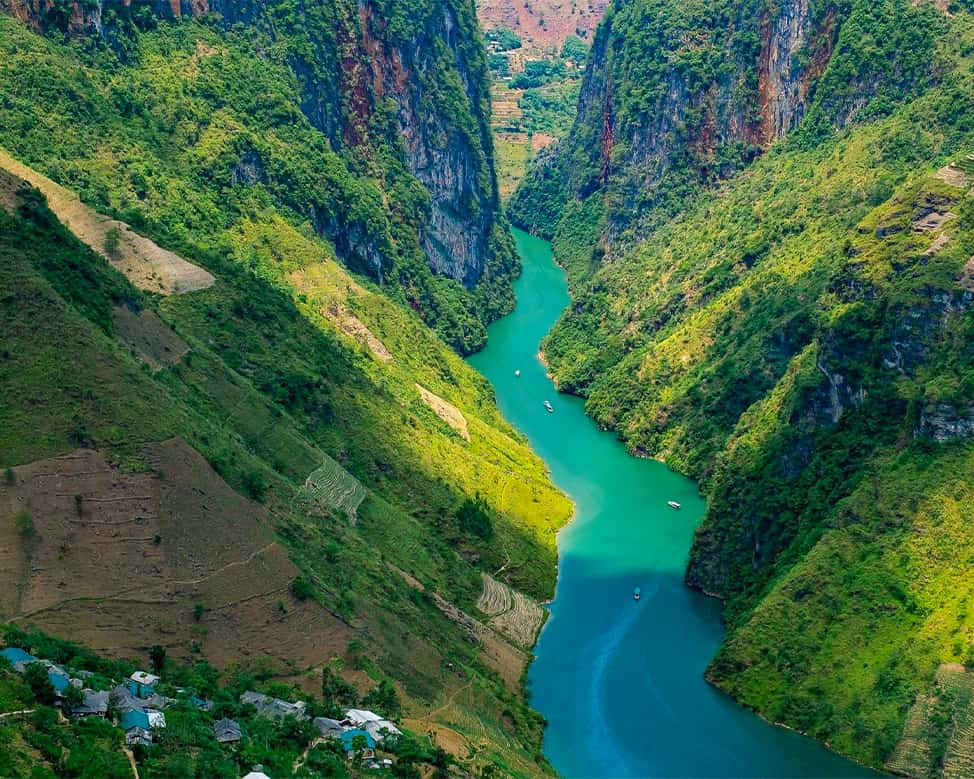
4.3.3. Ha GiangHa Giang is a fantastic destination in Vietnam’s location for adventurous travelers, known for its rugged mountains, stunning terraced fields, deep valleys, and lush forests. The province is also home to many ethnic minorities who have preserved their authentic cultural identities. Since Ha Giang remains largely untouched by mass tourism, it retains a pristine beauty that can capture the heart of any traveler.
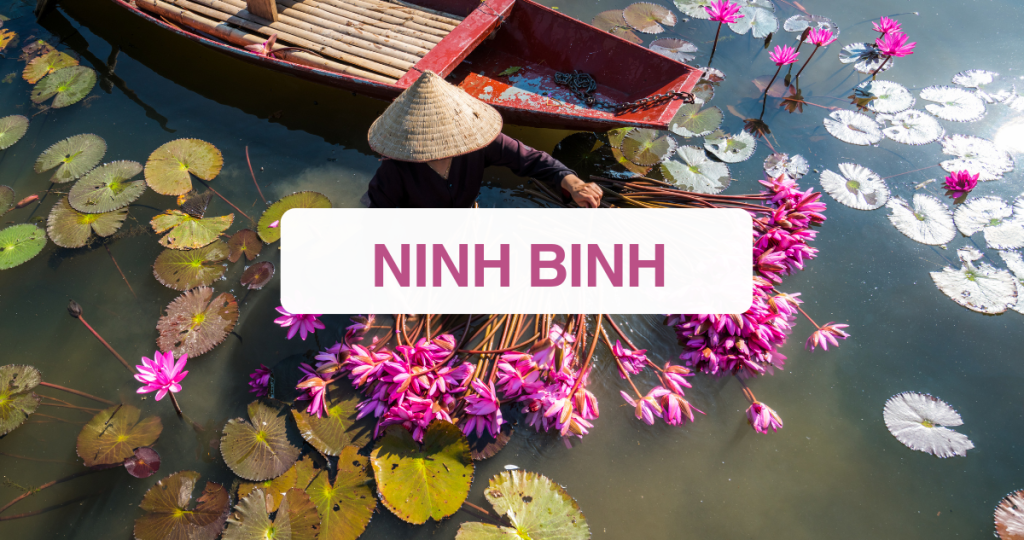
4.3.4. Ninh BinhNinh Binh is a must-visit destination on the Vietnam’s location map for tourists. The province is famous for its breathtaking limestone mountains and magnificent karst caves. Ninh Binh is also rich in historical and cultural significance, with sites such as Hoa Lu Citadel and Bai Dinh Pagoda that are not to be missed.
4.3.5. Hai PhongHai Phong is a vibrant city with a rich history and culture. It is the gateway to Cat Ba Island and Lan Ha Bay, both of which offer stunning seascapes that are sure to leave visitors in awe. Additionally, Hai Phong is known for its delicious cuisine, which is a major draw for tourists.
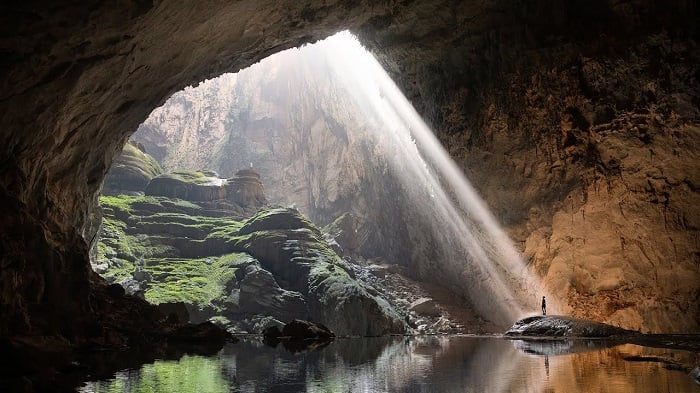
4.3.6. Quang BinhQuang Binh is another remarkable destination in Vietnam’s location, famed for its extraordinary natural beauty. Some of the most notable caves include Phong Nha – Ke Bang, Thien Duong (Paradise Cave), and Son Doong – the largest cave in the world. Nhat Le Beach is another popular attraction in this province, offering a perfect summer escape.
4.3.7. Hue
Hue is a must-visit destination for culture enthusiasts. The city is home to the Imperial Citadel of Hue, Vietnam’s largest citadel, and a masterpiece of Eastern architecture. Beyond its historical sites, Hue is also celebrated for its beautiful landscapes, including the serene Huong River (Perfume River) and the stunning Lang Co Beach.
4.3.8. Hoi AnHoi An Ancient Town was a significant trading port in Asia during the 15th and 16th centuries. Visitors to Hoi An can witness the influence of Chinese, Japanese, and French cultures in its architecture, cuisine, and customs.
In addition to its ancient houses and buildings, Hoi An also captivates visitors with its stunning natural beauty. The poetic Hoai River in Vietnam’s location, the wild nipa palm forest, and the pristine An Bang Beach are just a few of the sights that can enchant tourists at first glance.
4.3.9. Nha TrangNha Trang is home to some of the most beautiful beaches in the world, known for their soft sand and turquoise waters, making it a top destination for beach getaways.
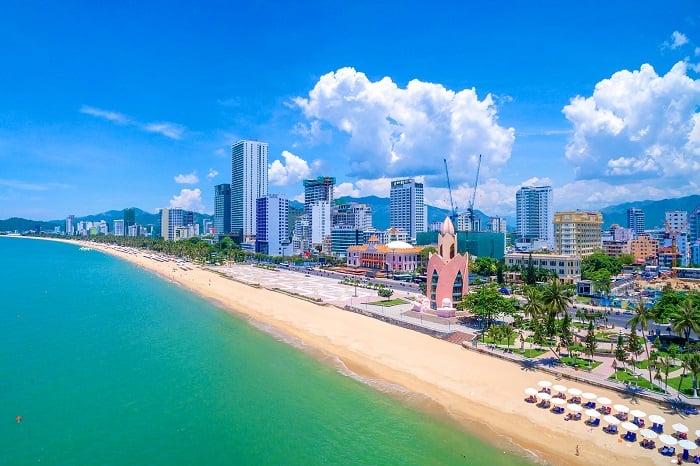
Beyond its beaches, Nha Trang boasts a rich cultural and historical heritage. The Po Nagar Cham Towers showcase the impressive architecture and culture of the ancient Cham people. Additionally, Long Son Pagoda and Christ the King Cathedral reflect the influence of Taoism and Catholicism in the city and are well worth a visit.
4.3.10. Mekong DeltaThe Mekong Delta, often referred to as the “breadbasket of Vietnam,” is a vital agricultural region. Exploring this area by boat along the Mekong River offers a unique experience, where you can pass by lush rice paddies and get a glimpse into the vibrant local life.
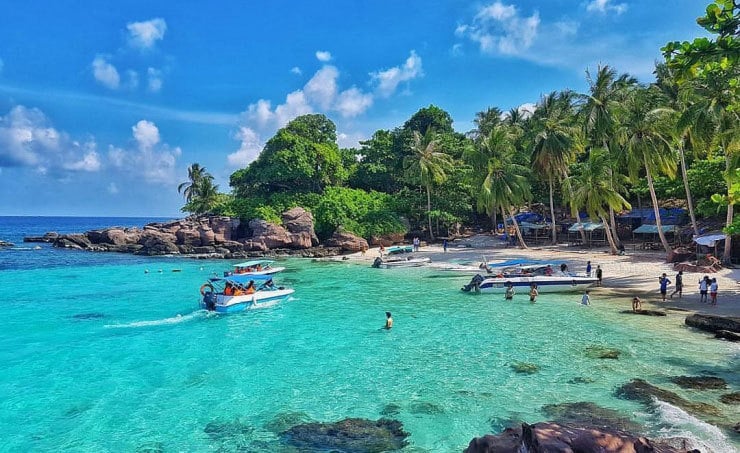
4.3.11. Phu QuocPhu Quoc Island is renowned for its dense tropical forests, stunning white sand beaches, and vibrant coral reefs. The island’s untouched natural beauty makes it one of the best places in Vietnam’s location for a leisurely getaway.
In Summary
Vietnam continues to captivate travel enthusiasts with its breathtaking natural landscapes and rich cultural heritage. Hopefully, this article about Vietnam’s location has provided valuable insights to help you better plan your upcoming trip to this stunning S-shaped country.