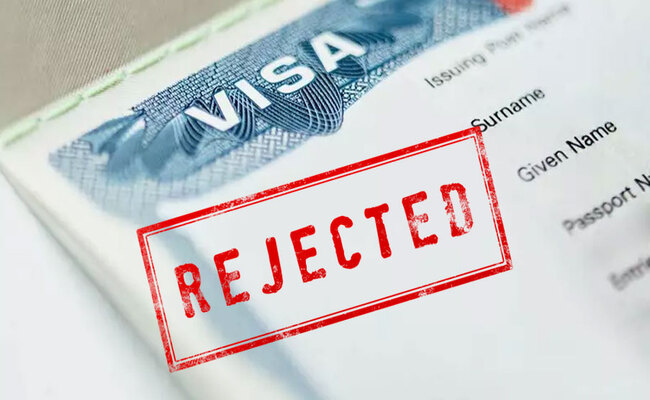
For Indians, planning a trip to Vietnam can be an exciting adventure; however, it’s important to be aware of the potential risks related to visa issues that could delay your journey. Understanding the reasons behind possible Vietnam visa rejection for Indians is essential. By knowing these reasons and how to address them, you can significantly increase your chances of obtaining a visa and enjoying a smooth travel experience.

Vietnam Visa Rejection Reasons for Indian: Solution & Tips
Common Reasons for Vietnam Visa Rejection for Indian Tourists
1. Incomplete Application Forms
One of the most frequent Vietnam visa rejection reasons for Indian applicants is submitting incomplete or incorrectly filled application forms. It’s crucial to double-check all sections of the application, ensuring that all required fields are filled accurately. Missing information, such as passport details or travel plans, can lead to immediate rejection.

2. Incorrect Personal Information
Providing incorrect personal details is another common issue. This includes misspelling names, entering the wrong passport number, or misformatting the date of birth. Ensure that all information matches your passport exactly. Even minor discrepancies can raise red flags during the review process and result in rejection.
3. Insufficient Financial Proof
Vietnamese immigration authorities may require proof of sufficient funds to cover your stay in the country. If you cannot demonstrate adequate financial means, your application may be denied. It’s advisable to provide bank statements showing regular income and enough savings to support your trip.

Insufficient Financial Proof Is A Reason
4. Lack of Confirmed Accommodation
Failing to provide a confirmed accommodation address can also lead to visa rejection. Immigration officials may be concerned about your plans and intentions if you cannot show where you’ll be staying. Always include the name and address of your hotel or a similar establishment when applying for your visa.

Confirmed Accommodation Is Needed
5. Overstaying Previous Visas
If you’ve previously overstayed a visa in Vietnam or any other country, this can negatively impact your current application. Immigration officers may view your history as a sign that you might overstay again, leading to rejection. It’s essential to disclose any such history and provide explanations if needed.
6. Inadequate Travel Insurance
While not mandatory, having travel insurance is highly recommended. Some applicants have faced rejection due to insufficient or no travel insurance coverage, which can be a requirement for certain types of visas. Ensure your policy covers medical emergencies and other unforeseen events.

You should have travel insurance for Vietnam visa application
7. Failure to Apply Timely
Timing your application is critical. Applying too close to your travel dates can lead to rejection due to processing delays. It’s best to apply at least two weeks in advance to allow ample time for review and any potential issues that may arise.
8. Suspicious Travel Itinerary
A poorly planned or unrealistic travel itinerary can raise suspicions among immigration officials. Ensure your travel plans are logical and feasible, and demonstrate genuine tourist intentions. Include details such as planned activities, places to visit, and travel dates.

Your travel plans should be logical and feasible
Consequences of Visa Rejection
Experiencing a Vietnam visa rejection can have several consequences, impacting your travel plans and overall experience:
- Missed Travel Opportunities: This can lead to lost bookings for flights, accommodations, and activities, resulting in financial losses.
- Financial Implications: This can include fees for new visa applications or last-minute travel arrangements.
- Blacklisting Risks: In severe cases, repeated visa rejections or overstaying can lead to being blacklisted by Vietnamese authorities.
- Impact on Future Applications: Immigration agencies often share information, and a history of rejection can raise concerns for future applications.
How Can You Resolve Issues After a Visa Rejection?
If you find yourself facing a Vietnam visa rejection, it’s essential to understand the Vietnam visa rejection reasons for Indians and take the necessary steps to resolve the issues:
- Review the Rejection Letter
Carefully read the rejection letter to understand the specific reasons for your application denial. This information is crucial for addressing the issues in your next application.
- Contact the Embassy or Consulate
Reach out to the Vietnamese embassy or consulate for clarification on the rejection. They can provide more details on the reasons and may offer guidance on how to address them.
- Correct Your Application
Make the necessary corrections to your application based on the feedback from the rejection letter and any advice from the embassy. Ensure all information is accurate and complete.

Vietnam visa rejection reasons for Indians
- Provide Additional Documentation
If the rejection was due to insufficient documentation, gather the required paperwork and include it in your new application. This may include proof of accommodation, financial statements, or travel insurance.
- Consider Legal Assistance
If you believe your rejection was unfair, you may want to consult with a legal professional specializing in immigration law. They can provide guidance on the appeal process and help you understand your rights.
- Reapply for the Visa
Once you’ve made the necessary adjustments and gathered all required documents, reapply for your Vietnam visa. Ensure you apply well in advance of your planned travel dates to avoid any last-minute issues.
Tips to Avoid Visa Rejection
To minimize the chances of encountering Vietnam visa rejection reasons for Indians, follow these practical tips:
- Complete Your Application Accurately: Ensure that all information matches your passport and that there are no spelling errors or discrepancies.
- Provide Comprehensive Financial Proof: Show a healthy balance that exceeds the estimated cost of your trip.
- Confirm Your Accommodation: Always provide proof of confirmed accommodation, such as hotel bookings.
- Plan a Realistic Itinerary: Create a well-thought-out travel itinerary that outlines your plans in Vietnam.
- Apply Early: This allows ample time for processing and any unforeseen delays that may occur.
- Seek Professional Help if Needed: Consider seeking assistance from a reputable travel agency or visa service. They can help ensure that your application is complete and accurate.
- Obtain Travel Insurance: It can strengthen your application and provide peace of mind during your travels.
By following these tips and understanding the common Vietnam visa rejection reasons for Indians, you can significantly improve your chances of obtaining a visa and enjoying your trip to Vietnam. Proper preparation and attention to detail are key to navigating the visa process successfully. If you need assistance, Wolo Tours is ready to help you.