The process of applying for a Vietnam e-visa can be challenging for applicants from the Czech Republic, potentially leading to rejection. So it’s essential to understand the Vietnam e-visa rejection reasons for Czech travelers to ensure a hassle-free travel experience. In the sections that follow, we will examine common difficulties in the application process and offer valuable tips to help you submit your application successfully.
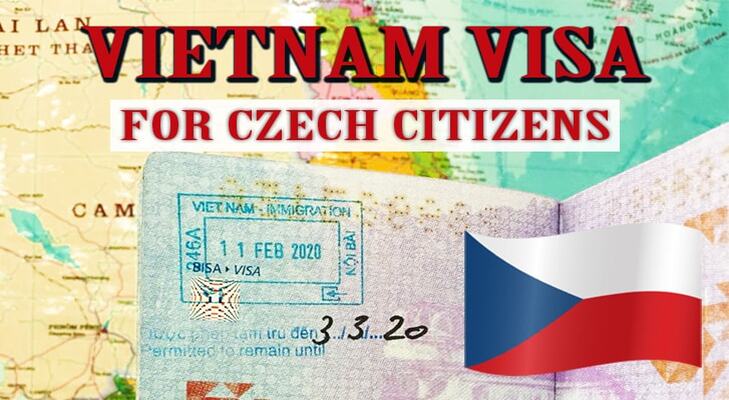
Vietnam E-visa Rejection Reasons For Czech
Wrong Information on Application
One of the most common reasons for e-visa rejection among Czech applicants is providing incorrect or misleading information on the application. The e-visa application form requires detailed personal information:
- Full name
- Date of birth
- Nationality
- Passport number
If any of this information is entered incorrectly, it can lead to a rejection. For instance, a simple typographical error in the passport number or a misspelling of the name can result in discrepancies that raise red flags during the review process.
Immigration officials are trained to spot inconsistencies, and even minor mistakes can result in a denial. Therefore, it is crucial to double-check all entries for accuracy before applying.

Wrong information on the application is one of the reasons
Moreover, you should ensure that the information matches exactly with what is listed on your passports. Any deviation can lead to complications. For Czech citizens, whose passports are often scrutinized due to various international agreements, ensuring the accuracy of application details is paramount.
Missing or Incomplete Documents
Another significant reason for the Vietnam e-visa rejection is the submission of incomplete documentation. The e-visa application requires several supporting documents, including a scanned copy of the passport bio page and a passport-sized photo. If any of these documents are missing or do not meet the specified requirements (such as size and quality), the application may be rejected.
Czech applicants should carefully read the guidelines provided on the official Vietnamese government website regarding document specifications.
- The passport must be valid for at least six months beyond the intended date of entry into Vietnam.
- The photo must be recent and in color, taken against a plain background.

Incomplete applications can lead to delays or outright rejections
Additionally, applicants are advised to keep a checklist of the required documents to ensure that nothing is overlooked. Applications that are not fully completed may result in delays or outright denials, causing frustration and potentially impacting travel plans.
Not Meeting Entry Rules
Each country has its own set of entry rules that travelers must adhere to, and Vietnam is no exception. The Vietnam e-visa rejection reasons often include not meeting specific entry requirements. For instance, certain travelers may be deemed ineligible for an e-visa based on the purpose of their visit.
Czech citizens planning to engage in activities such as work or long-term study must apply for a different type of visa, as the e-visa is primarily for tourism and short-term business visits. Failing to choose the correct visa type can lead to automatic rejection.

Not meeting entry rules can lead to visa rejection
Additionally, you should be aware of any travel restrictions that may be in place, especially in light of health and safety regulations. It is essential for Czech travelers to familiarize themselves with the latest entry rules and regulations before applying for an e-visa. Consulting the official Vietnamese consulate or embassy can provide clarity on what is required.
Passport Validity Problems
A crucial aspect of any visa application is passport validity. For e-visa applicants, the passport must not only be valid at the time of application but also for the duration of the stay in Vietnam. The Vietnam e-visa rejection reasons for Czech often include issues related to passport validity.
As a rule of thumb, passports should be valid for at least six months beyond the intended date of entry. If a Czech applicant submits an e-visa application with a passport that does not meet this requirement, the application will likely be rejected.

Ensuring that your passports are in good condition
Additionally, you should ensure that your passports are in good condition. Torn or damaged passports can also lead to complications, as immigration officials may question the authenticity of the document. It is advisable to renew any passports that are close to expiring or that show signs of wear before applying for an e-visa.
Bad Immigration History
An applicant’s immigration history can significantly impact their chances of obtaining a visa. The Vietnam e-visa rejection can often include previous immigration violations or a history of overstaying visas in other countries.
If a Czech citizen has been previously deported, this may raise concerns for Vietnamese officials. Moreover, any issues with immigration authorities elsewhere can also affect the processing of their e-visa application.

A bad immigration history can lead to your visa application being denied
Vietnamese immigration authorities may conduct background checks to assess an applicant’s history. If they find any red flags, such as previous visa rejections or overstays, the application could be denied. Therefore, Czech travelers must be transparent about their immigration history when applying for a visa.
To mitigate this risk, you should ensure that they have complied with all visa regulations in previous travels and rectify any outstanding issues before applying for a new visa. Seeking legal advice may be beneficial if there are concerns about past immigration issues.
Tips to Prevent Visa Rejection
To minimize the chances of facing the Vietnam e-visa rejection reasons for Czech applicants, there are several proactive steps that travelers can take:
- Thoroughly Review the Application: Before submitting, carefully review all the information entered on the application to ensure accuracy and completeness. Double-check names, passport numbers, and other critical details.
- Prepare Required Documents: Create a checklist of all necessary documents and ensure they meet the specified requirements. This includes confirming the validity of the passport and the quality of the submitted photo.

Tips to Prevent Vietnam E-visa Rejection Reasons For Czech
- Understand Entry Requirements: Research and understand all entry rules and requirements ahead of time. This includes knowing which visa type is appropriate for the visit.
- Be Transparent About Immigration History: If there are any concerns regarding past immigration issues, it’s better to address them upfront in the application or seek guidance from a legal expert.
- Seek Assistance if Needed: If unsure about the application process or if there are unique circumstances, consider consulting with a visa service or legal expert who specializes in immigration matters.
By following these tips and being aware of the potential Vietnam e-visa rejection reasons for Czech, travelers can enhance their chances of a successful visa application and enjoy a smooth entry into Vietnam. If you require assistance with visa procedures, don’t hesitate to reach out to Wolo Tours for support.