For Polish applicants, the Vietnam e-visa application process can be challenging and may lead to rejection. It’s essential to grasp the Vietnam e-visa rejection reasons for Polish travelers to ensure a smooth travel experience. In the upcoming sections, we’ll dive into common pitfalls in the application process and offer helpful tips to help you submit successfully.
Vietnam E-Visa Rejection Reasons for Polish
Not Enough Documentations
One of the main Vietnam E-Visa Rejection Reasons for Polish applicants is the lack of sufficient documentation. To successfully obtain an e-visa, it is essential to provide all the required documents:
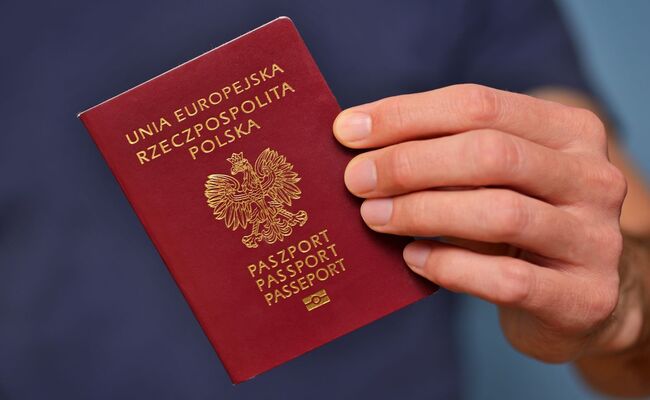
- A valid Polish passport with at least six months of validity remaining upon entry into Vietnam.
- A digital copy of the passport’s detail page.
- A recent digital photo that meets Vietnam’s e-visa photo requirements: 4×6 cm
If any of these documents are missing or do not meet the specified criteria, it can result in rejection. Therefore, you need to ensure that all required documentation is complete and accurate is vital for a smooth application process.
Application Form Mistakes
Errors in the application form are another common reason for Vietnam e-visa rejection among Polish travelers. The online application form must be filled out correctly, as even minor mistakes can lead to complications.
Some frequent mistakes include:
- Incorrect selection of visa type (tourist vs. business).
- Failing to indicate the intended port of entry.
- Not providing an accurate email address for correspondence.
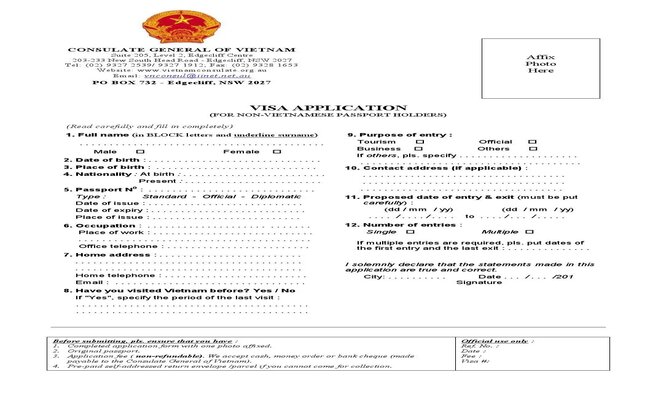
Vietnam e-visa application form
To prevent these errors, you should take the time to carefully review the application form before submission. Double-checking each section can help avoid unnecessary delays or rejections.
Not Meeting Eligibility Criteria
Vietnam has specific eligibility criteria for e-visa applications. Polish citizens must ensure they meet these requirements to avoid rejection.
The key eligibility criteria include:
- Having a valid purpose for visiting Vietnam, whether for tourism, business, or visiting relatives.
- Not having a criminal record or being on any watchlists.
- Being a citizen of a country that is eligible for the e-visa program.

Not meeting eligibility criteria is a rejection reason
If any of these criteria are not met, the application may be denied. You should review their eligibility before applying to ensure they align with Vietnam’s visa policies.
Errors in Personal Information
Mistakes in personal information can also lead to Vietnam e-visa rejection. You must provide accurate details regarding your identity, travel plans, and other personal information during the application process.
You should pay close attention to:
- Full name (as it appears on the passport).
- Date of birth.
- Nationality.

It’s essential to ensure all personal information is accurate
Any discrepancies between the information provided in the application and the details on the passport can result in rejection. Therefore, it is crucial to verify that all personal information is entered correctly before applying.
Passport Validity Problems
Another common reason for Vietnam e-visa rejection reasons for Polish is related to passport validity. For Polish citizens, the passport must meet specific requirements to qualify for an e-visa.
- The passport must be valid for at least six months beyond the intended date of entry into Vietnam.
- The passport should contain at least two blank pages for stamping.

Passport validity problems are also the rejection reason
If a passport does not meet these requirements, the e-visa application is likely to be rejected. You should check your passport’s validity and ensure it complies with Vietnam’s regulations before applying.
What to Do If Your E-Visa is Rejected?
Vietnam E-Visa Rejection Reasons for Polish can be frustrating, but there are steps you can take to address the situation if your application is denied.
- Step 1: Review the Rejection Reasons
Most applications will receive a notification detailing why the visa was denied. Understanding the specific reason can help you address the issue in a future application.
- Step 2: Gather Additional Documentation:
If the rejection was due to insufficient documentation, ensure you gather all required documents for your next application.
- Step 3: Correct Application Errors:
If mistakes were made in the application form, take the time to correct them to avoid repeated errors.
- Step 4: Seek Assistance
If you’re unsure about the reasons for rejection or need help with the application process, consider reaching out to visa assistance services. They can provide guidance tailored to your situation.

Things to do if Vietnam E-Visa Rejection Reasons for Polish
Tips to Avoid E-Visa Rejection
To avoid Vietnam E-Visa Rejection Reasons for Polish, follow these helpful tips for a successful application:
- Prepare All Required Documentations
Before starting the application process, make sure you have all the necessary documents ready. This includes your passport, photographs, and any other supporting documentation.
- Double-Check Your Application
Take the time to review your application form carefully. Ensure all information is accurate and complete, and verify that you have selected the correct visa type.
- Verify Eligibility
Confirm that you meet all eligibility criteria for the Vietnam e-visa. This includes checking any travel restrictions or requirements specific to Polish citizens.

To avoid Vietnam E-Visa Rejection Reasons for Polish, follow these practical tips during your application process.
4. Keep Passport Validity in Mind
Ensure that your passport is valid for at least six months beyond your planned entry date and has sufficient blank pages. This is essential to avoid rejection based on passport issues.
5. Apply Early
Submitting your e-visa application well in advance of your intended travel date can help mitigate potential issues. Aim to apply at least two weeks before your trip to accommodate any processing delays.
6. Seek Professional Assistance
To avoid common Vietnam E-Visa Rejection Reasons for Polish, consider using a visa service that specializes in e-visas for Polish citizens. They can provide expert guidance and support to help you navigate the application process successfully.
7. Stay Informed
Stay updated on any changes to Vietnam’s visa policies, especially those that may affect Polish citizens. Regularly checking the official Vietnam visa website or consulting with a visa service can help you remain informed.
Understanding the common reasons for Vietnam e-visa rejection reasons for Polish is crucial for you to travel to Vietnam. You can significantly reduce your chances of rejection by being aware of documentation requirements, application form accuracy, eligibility criteria, and passport validity. If you need help with visa procedures, feel free to contact Wolo Tours for assistance.